The 6 Biggest Takeaways from DataSnipper Connect New York 2026
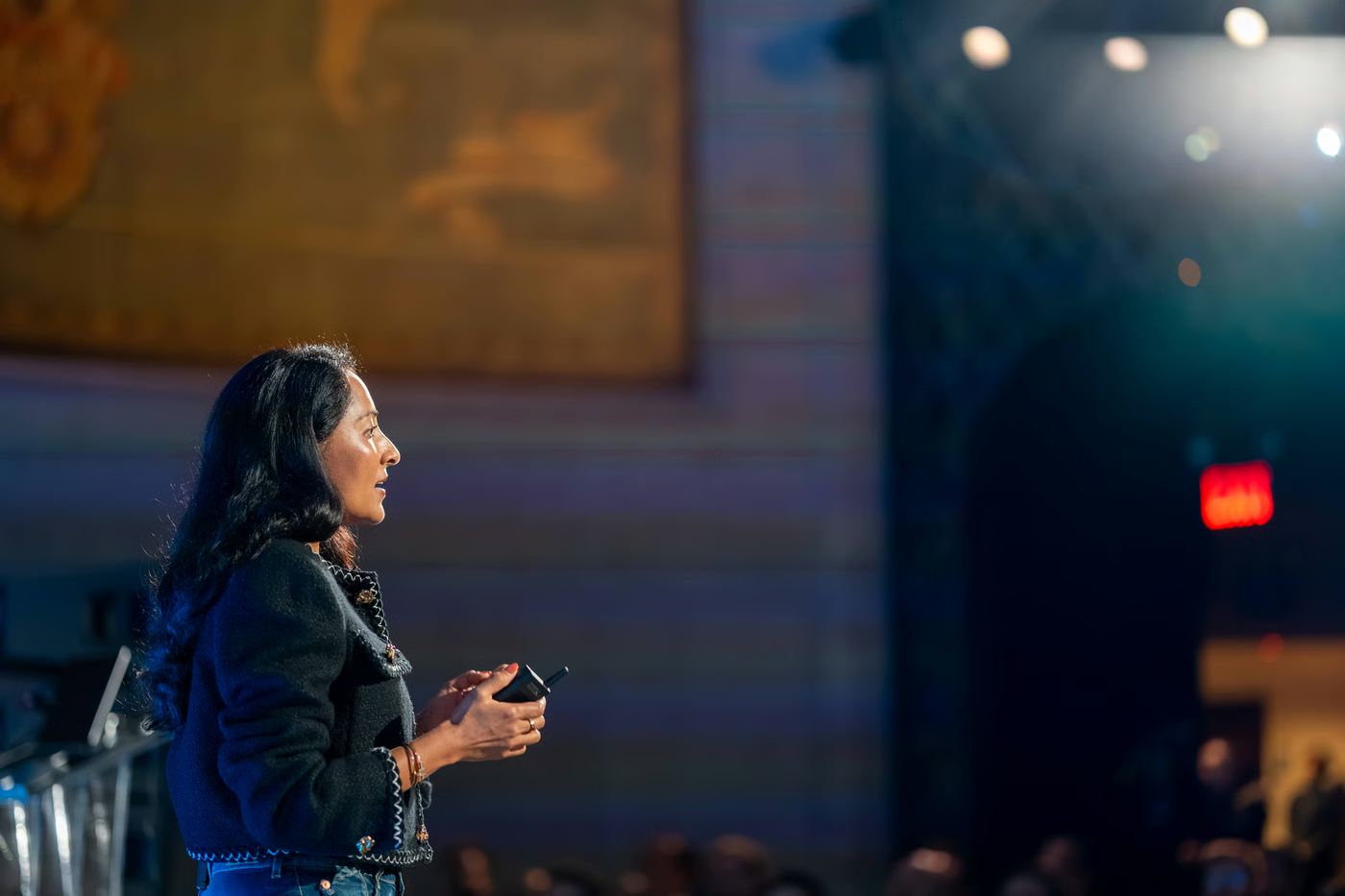
DataSnipper Connect New York brought audit and finance teams to the heart of the Financial District to learn from industry experts and each other about what the future of the profession has in store for them. And despite AI being the topic most attendees were eager to discuss, the common theme throughout each conversation went back to the value of human judgement.
This year's stage brought together a large range of practitioners from KPMG, Baker Tilly, Armanino, Citrin Cooperman, Protiviti, Salesforce, ADT, Aprio, Microsoft, and FGMK, working through what external and internal audit teams are facing right now, touching on topics from governance, compliance, talent, adoption, and more.
Here are the takeaways:
1.Alwin the agentic automation platform is here
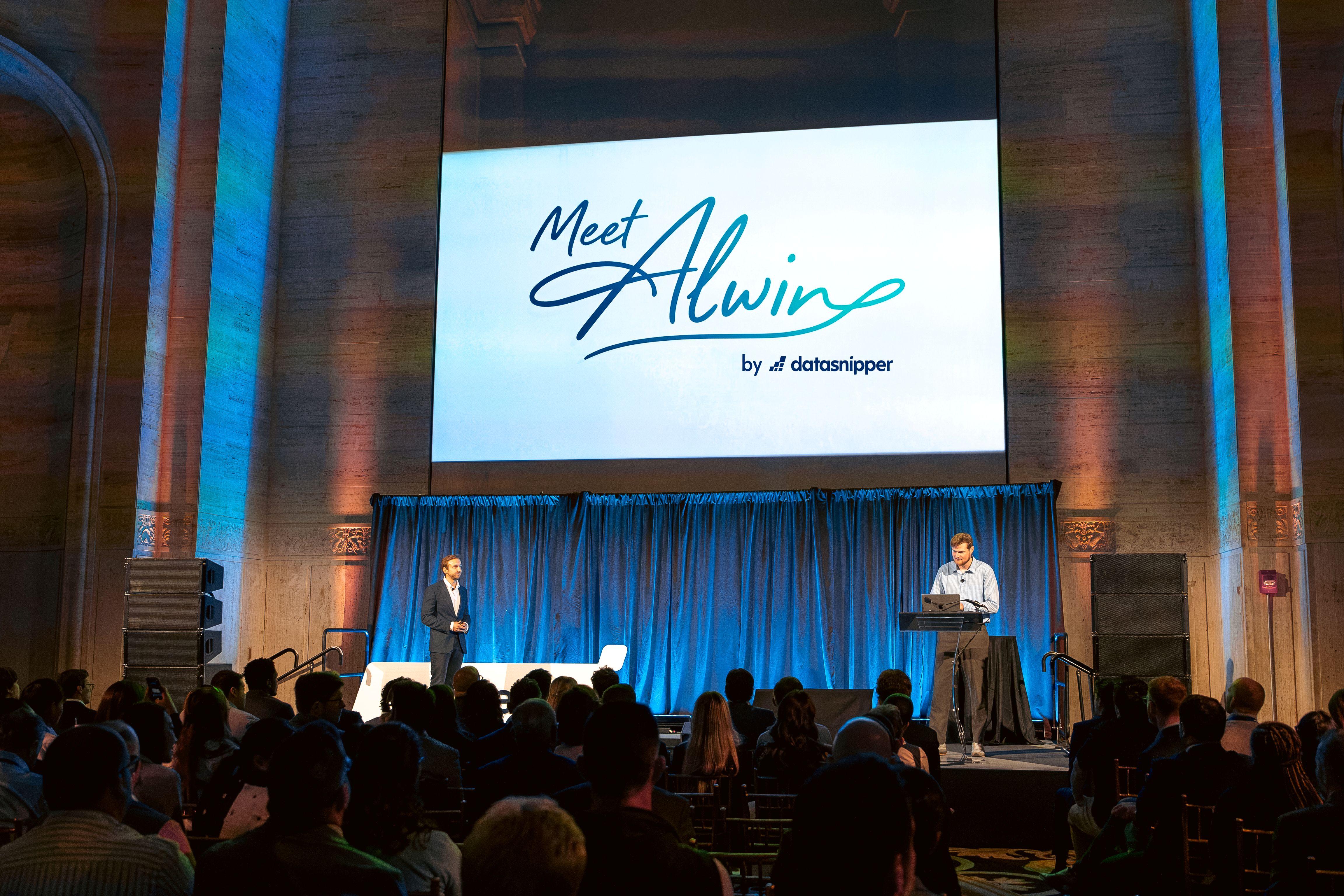
DataSnipper's product team revealing Alwin by DataSnipper
Our CEO, Vidya Peters introduced Alwin by DataSnipper the agentic platform for audit and finance.
Alwin covers the full engagement. Plan the work, collect the evidence, run agents in the cloud to do the testing, and review the results with the source attached. Every agent is versioned and approved before it runs. Every result traces back to the document it came from, and you sign off at the end.
"Accountability is critically and irreducibly human," states Peters. The agents handle the vouching, the tie-outs, and the extraction. The auditor still holds the pen.
2. From urgency to agency: Alondra Nelson on AI governance
Alondra Nelson, Former Head of the White House Office of Science and Technology Policy and an author of the Blueprint for an AI Bill of Rights, brought the governance angle to the mainstage.
"AI is not magic," Nelson said. (Though it can feel magical the first time an agent clears a day of testing in minutes.) That feeling, she argued, is exactly why governance matters. Existing protections still apply and new rules should get added only where the technology creates new risks.
She framed policy as a tool for progress, urging the profession to move "from urgency to agency" instead of reacting to each new capability as it lands. Existing protections still apply to AI. You add new rules only where the technology creates new risk, and you iterate as you learn.
3. Internal audit becomes the AI trust architect
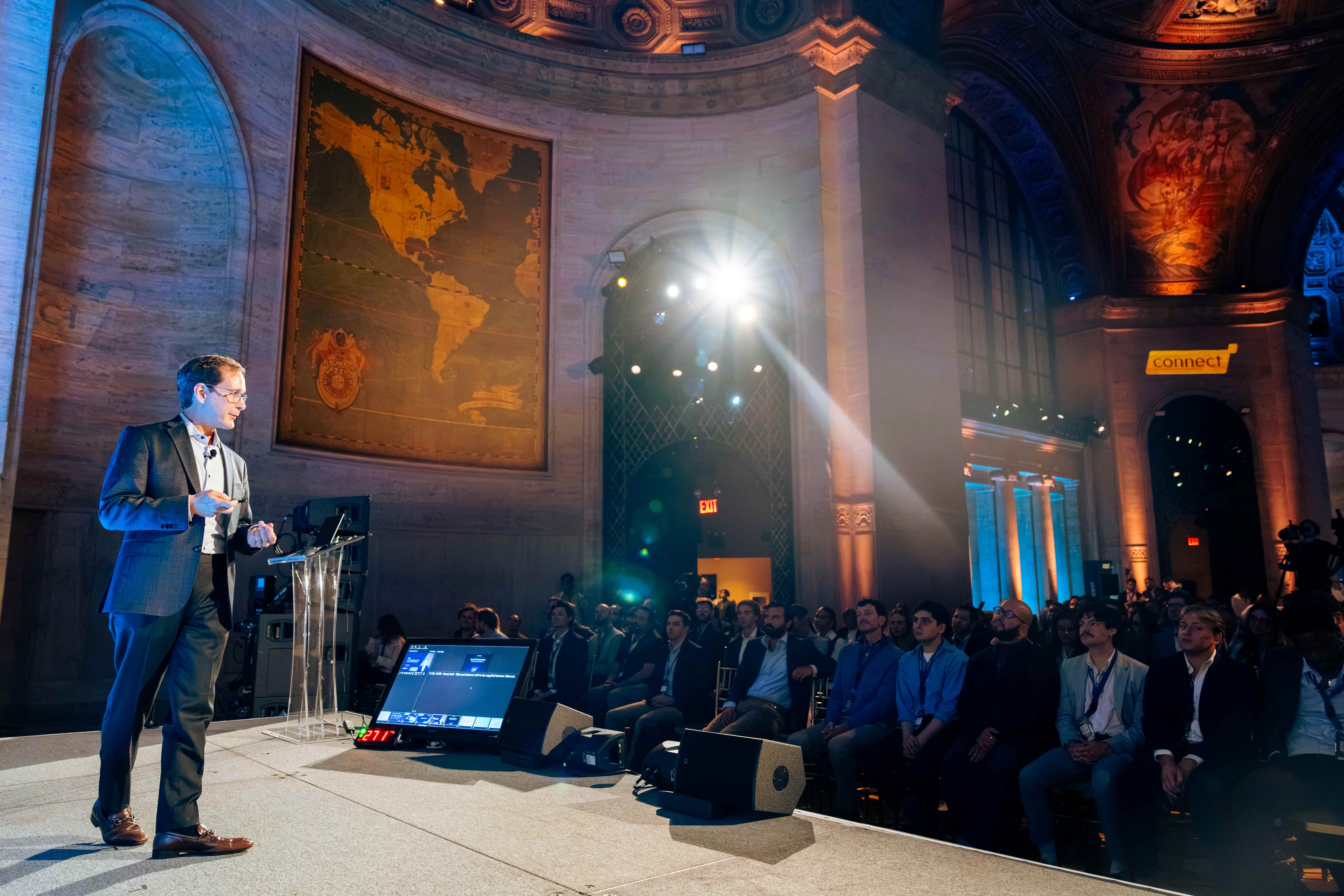
Anthony Pugliese, IIA, on stage at Connect NY '26
IIA President and CEO, Anthony Pugliese stressed the importance for organizations to not only be using AI but to continuously audit how AI is being used.
The IIA's Risk in Focus survey has ranked cybersecurity the top risk for 19 years straight, and AI has only pushed it higher, on both sides: the fraudsters using it, and those racing to keep up.
His read on where internal audit is headed is anticipation. Most AI risks don't sit still long enough for a point-in-time opinion because by the time you finish assessing a model, it has already changed. That’s where governance comes first. Pugliese called it the most important early move on AI, since governance looks at the whole system, tying it back to the internal controls playbook the profession already knows in the COSO framework, built to run continuously.
The second job is where internal audit has an edge external teams can't match. Internal auditors sit inside the business all year, so they can move toward continuous assurance: AI watching transactions as they hit the general ledger, flagging what looks off, testing every expense report where the profession once sampled. That structural advantage is why Pugliese's term for the new role stuck. Internal audit, he said, is becoming the "AI trust architect."
4. Where auditors draw the line on sign-off
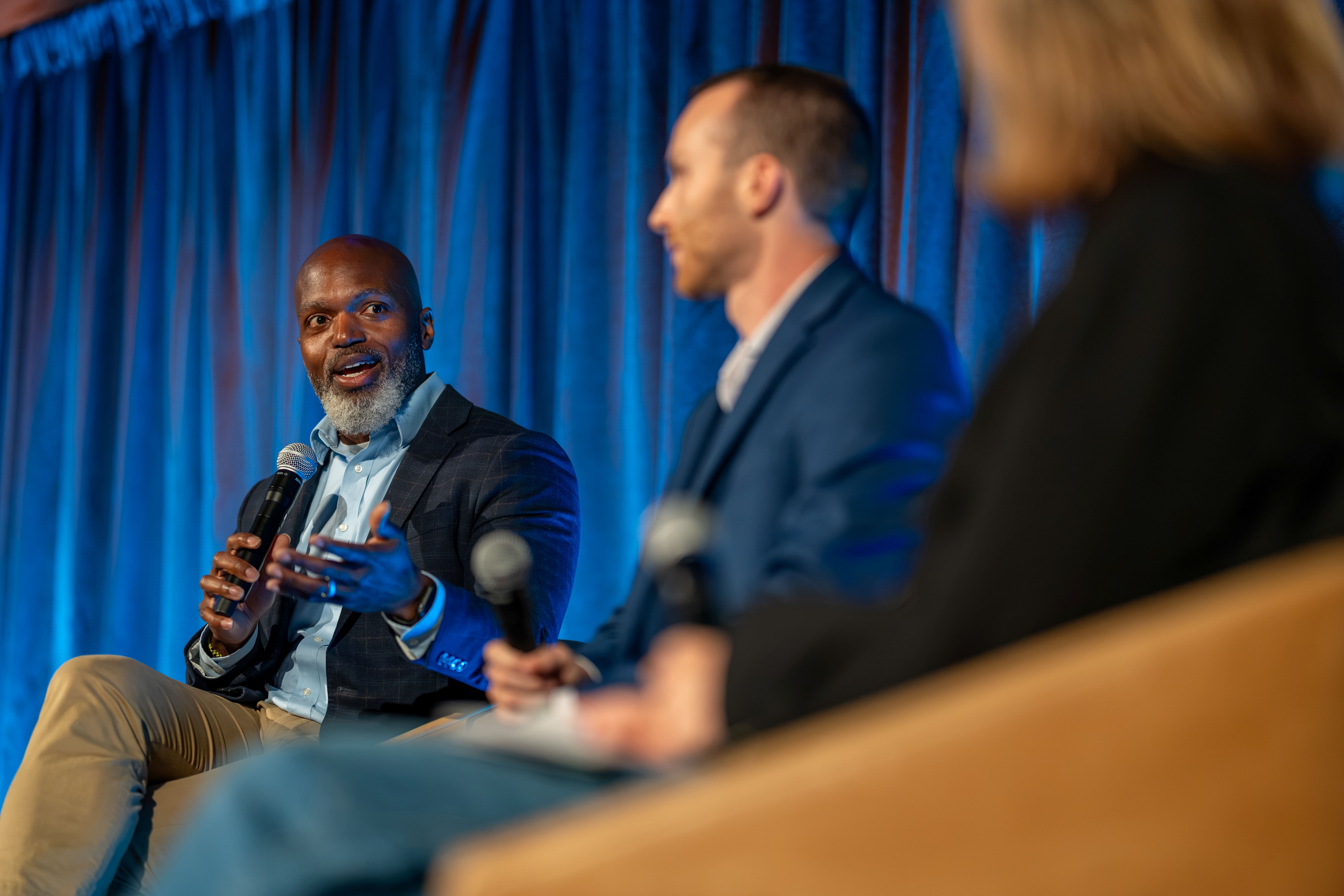
Kristopher Knight, Microsoft on stage alongside Ted Flom, Armanino, Jessie Kanter, Citrin Cooperman, Daniel Cegelski, Baker Tilly for 2026 Audit Trends panel at Connect NY '26
DataSnipper's 2026 AI Report shows what is. Seventy-three percent of professionals call AI essential. Only 13% have built it into daily workflows. And for the first time in four years of the survey, trust in AI fell, from 78% in 2025 to 55% this year.
The reason? Trust dropped hardest among the people using AI most. Partners who review AI-assisted work trust it at 79%. The individual contributors who produce that work trust it at 50%. Heavier use exposed the rough edges, and the people closest to the output felt them first.
So the panel asked the question that follows. An agent prepares the workpaper, another agent reviews it, and the human signs. What is that human attesting to?
In fact, a day after Connect, our CEO stopped by the NYSE to talk about this topic. Watch the full interview below.
5. Change management begins after the purchase
At Connect, Daniel Cegelski shared Baker Tilly's answer to "who owns AI after it's bought": a group of 40 to 50 auditors who specialize in early adoption of AI. Because they do the engagement work every day, they spot where an agent would help, bring those ideas to Daniel's technology team to build out, and colleagues know to go to them with questions.
6. Inside the vault: Attendees test-drive the next generation of audit work using Alwin
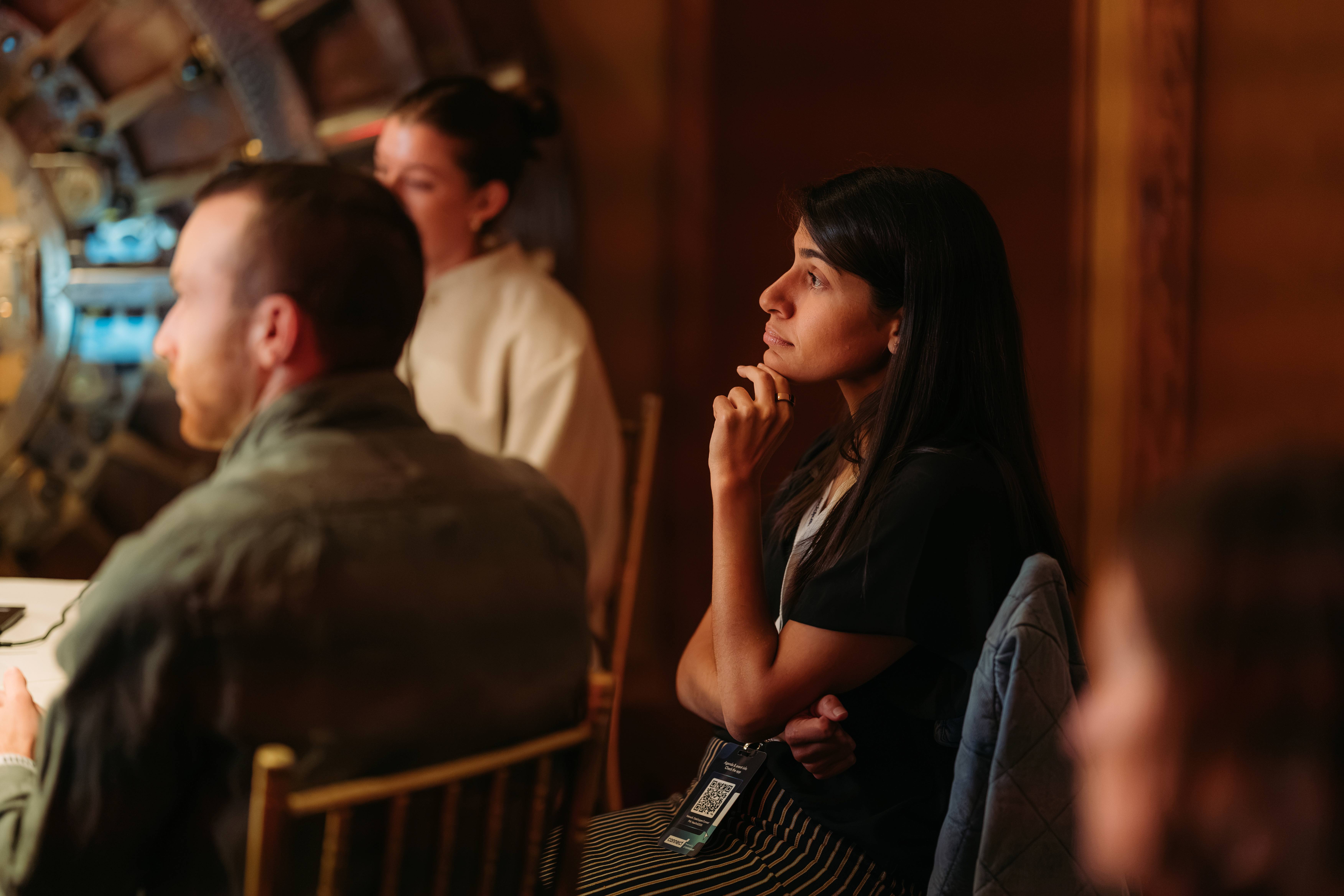
Day 2 of Connect NY '26, hands-on learning at the agentic workshop offered by Connect Academy
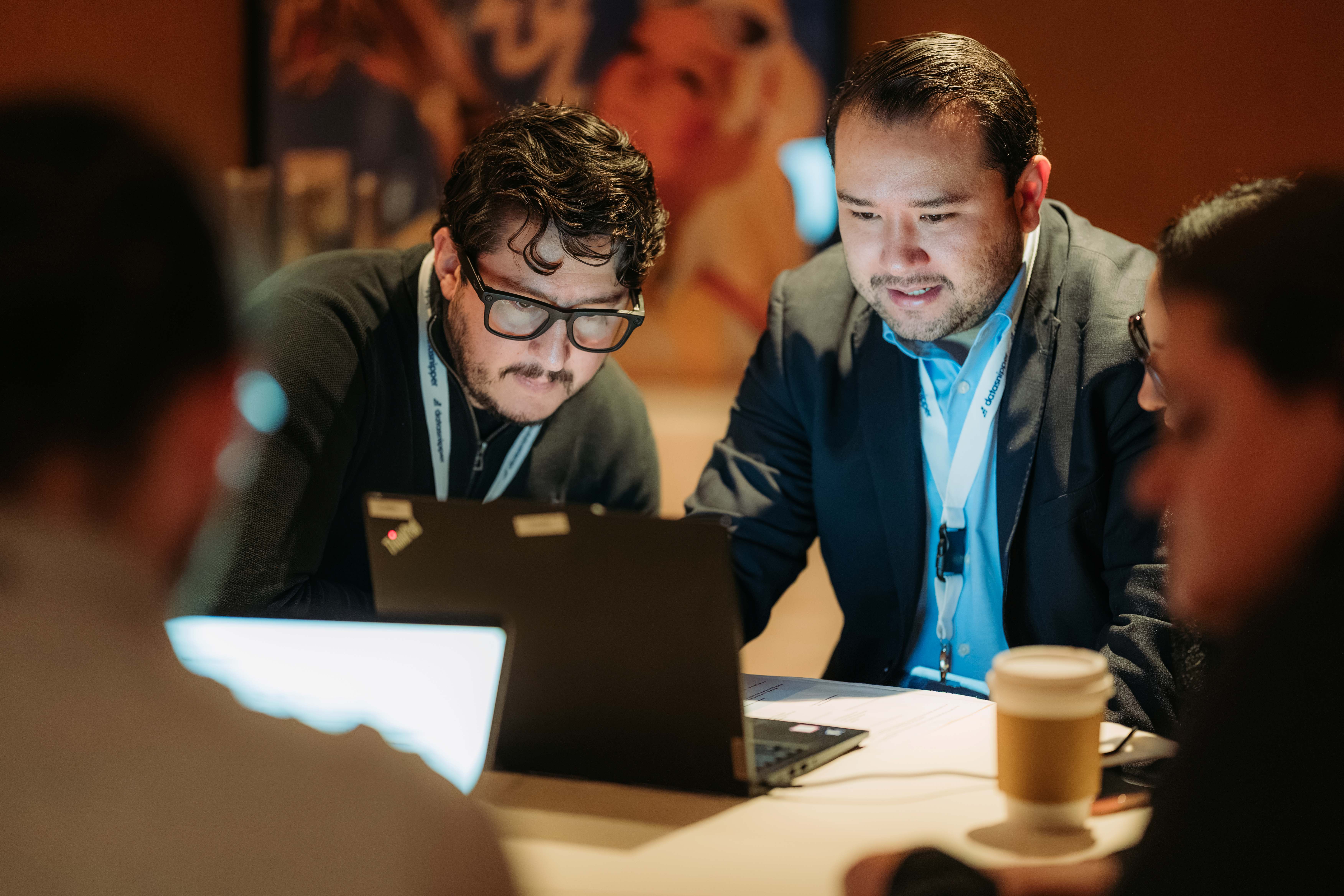
Auditors and finance professionals in hands-on training during day 2 workshops at Connect NY '26
On Day 2 of Connect, we moved the conversation from the stage to hands on training. Connect Academy, held inside Club 55's original bank vault, allowed attendees to build agents against and brainstorm with colleagues and peers on what their ideal workflows would look like. Capacity was limited, and it filled faster than a New York City club on a Friday night.
Final Thoughts
Our CEO summarized two days in one line: "In a world where getting the answer is easier than ever, it's not the number that matters. It's the rationale for how you arrived at it, and the judgment you apply."
Last year, Connect's story was a theme: AI Everywhere. This year put that statement into practice with product launches, governance talks, and panel discussions on what AI means for talent and teams.